What to Know Before You Order Japanese Snacks From Sakura Snack Box
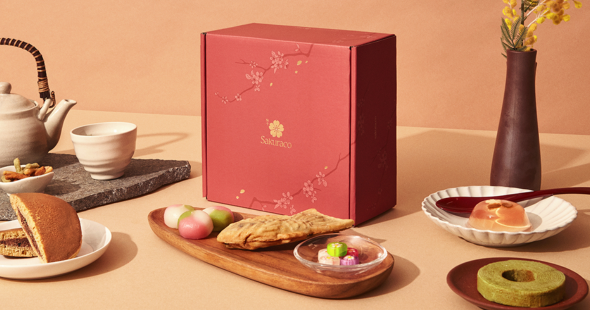
Sakura Snack Box appeals to people who want more than novelty candy. Sakura presents it as a monthly box of authentic Japanese snacks, tea, and occasional home goods sourced from local makers across Japan.
Most individuals don't think about how lovely it looks before they sign up. They want to know how much plans cost, what shows up at checkout, how long shipping takes, and if customs could make it more expensive.
How Sakura Snack Box Subscription Plans Work
Sakura Snack Box has four major plan lengths. The one-month plan has the highest monthly charge, whereas lengthier plans drop the monthly average and are seen as a better value.
On the current subscribe page, the twelve-month plan is shown at 32.50 dollars per month, six months at 33.50 dollars, three months at 35.50 dollars, and one month at 37.50 dollars, with shipping added at checkout.
What Changes Between One Month And Prepaid Plans
The biggest difference is not just price. Longer plans are prepaid in full. Sakura’s help center says three-month, six-month, and twelve-month subscriptions are charged upfront at the discounted total, so the lower monthly number is really an average, not a small month-to-month payment.
A lot of people stop there before they get Japanese snacks. The monthly fee that is presented may seem straightforward, but the real cost is the total amount paid up front plus shipping.
A useful way to judge it is to think of Sakura less like a casual snack impulse and more like a prepaid seasonal experience. That framing makes the pricing structure easier to evaluate honestly.
When Charges Happen and What People Often Miss
Sakura states that the first charge happens immediately when the order is completed. After that, renewals happen on the same date and time according to the chosen plan length. The company also says that billing is done in Japan Standard Time, the renewal date could be one day earlier or later, depending on where you live. It's easy to miss that little time zone information, but it's quite significant.
People talk about auto-renewal uncertainty more than the food itself. Reviews on Trustpilot also reveal that some of the irritation comes from not knowing what to expect when it comes to managing subscriptions, not only the quality of the product.
The main point is easy to remember. Don't wait for a reminder to save you later; treat the renewal timetable like an event in your calendar that you need to keep track of from day one.
What Happens After You Place Your Order
Sakura says that the box is a monthly experience that includes up to 20 real Japanese snacks and tea, a culture tour, and sometimes traditional home products. The curation is more about regional foods, traditional sweets, savory snacks, and seasonal themes than just bright candies or pop culture products. For folks who prefer to explore, the box feels more like a guided tasting than a random mix.
Shipping Timeframes and Tracking Expectations
Sakura explains that boxes are packaged by hand and transported straight from Japan. The assistance center keeps shipping information separate because the time it takes to ship depends on the method and destination.
Delivery usually happens within a couple of weeks in third-party reviews, but forum posts suggest that it can take longer, especially during vacations, customs delays, or slower shipping methods.
When you sign up for a subscription, you should do it for the experience, not for a specific date, unless you have adequate time to spare. People on the threads have said that boxes arrived later than intended, which made some of them angry because they had arranged the order around birthdays or holidays.
Sakura does provide tracking support information, but patience is still part of the equation with international delivery.
Customs Taxes and Import Fees to Keep In Mind
This is one of the biggest practical questions, and Sakura’s help center is direct about it. The shipping fee does not mean customs fees or import taxes are covered. Those charges depend on the destination country, and Sakura recommends checking local customs rules before ordering. In other words, shipping is one cost and customs can be another.
For some regions and purchase types, VAT can sometimes be shown at checkout, but Sakura’s VAT guidance applies to eligible one-off shop orders rather than subscription boxes in general.
People have described import charges that ranged from minor to frustratingly high, especially in Europe. That makes customs less of a universal problem and more of a country-specific risk you should price in before subscribing.
How to Avoid Common First-Order Frustrations
People are often unhappy with monthly treat boxes because they don't meet their expectations, not because the snacks aren't good. Sakura does a good job presenting the experience, but the most useful pre-purchase step is building your own complete cost picture. Add the plan total, shipping, possible customs, and your tolerance for delivery variability. Once that math feels comfortable, the box tends to make more sense.
Checking Delivery Limits In Your Region
Use the support center and checkout flow to make sure that Sakura can ship to your country before you pay. Then, look up your local customs threshold and import rules. This seems apparent, but a lot of people neglect this step because they're too busy with the snacks.
Knowing What Is Included In the Box
Sakura says each box includes up to 20 items and may feature tea, artisan snacks, a 24 page culture guide, and occasional home goods such as ceramics, chopsticks, or furoshiki. That makes the experience more than just eating. Customization is also limited at the same time. Sakura's FAQ indicates that there is no box that is specifically for vegans or halal, and that snack packaging does not fully list allergy information in English.
However, support may be able to help with ingredient information. That matters because some people see the box as one of the best value subscription boxes for cultural variety, while others may find it harder to justify whether they need strict dietary control.
People on reviews generally compliment the careful selection, balanced sweetness, and supplied dinnerware, but some also say they wish for larger amounts or greater regularity. The box works best when it has a lot of different things in it.
Frequently Asked Questions
Can You Buy Just One Sakura Snack Box?
Sakura offers a one-month plan, but it is still part of the subscription structure and sits at the highest monthly price. Longer plans reduce the monthly average but are charged upfront in full.
Can You Cancel Sakura Snack Box Easily?
Sakura’s help center says cancellation is done through the account dashboard by opening the plan and selecting cancel subscription. It is manageable, but it is better handled before the next renewal date rather than after a charge goes through.
Does Sakura Snack Box Work for Dietary Restrictions?
Not especially well suited for strict dietary needs. Sakura says it does not offer vegan-only or halal-only boxes, and allergen information is not fully comprehensive in English.
The most useful way to judge Sakura Snack Box is to look past the front page monthly price and focus on the full experience cost, delivery reality, and how much you value regional Japanese food culture. When expectations align with how the subscription actually works, the experience is bound to be satisfying.
Before placing an order, it also helps to check for Sakura Promo Codes, as discounts occasionally make longer plans more appealing.
Follow Essencesly for more guides on food and beverages.